Public vs Private Hospitals in the Philippines: How to Choose and What PhilHealth Covers
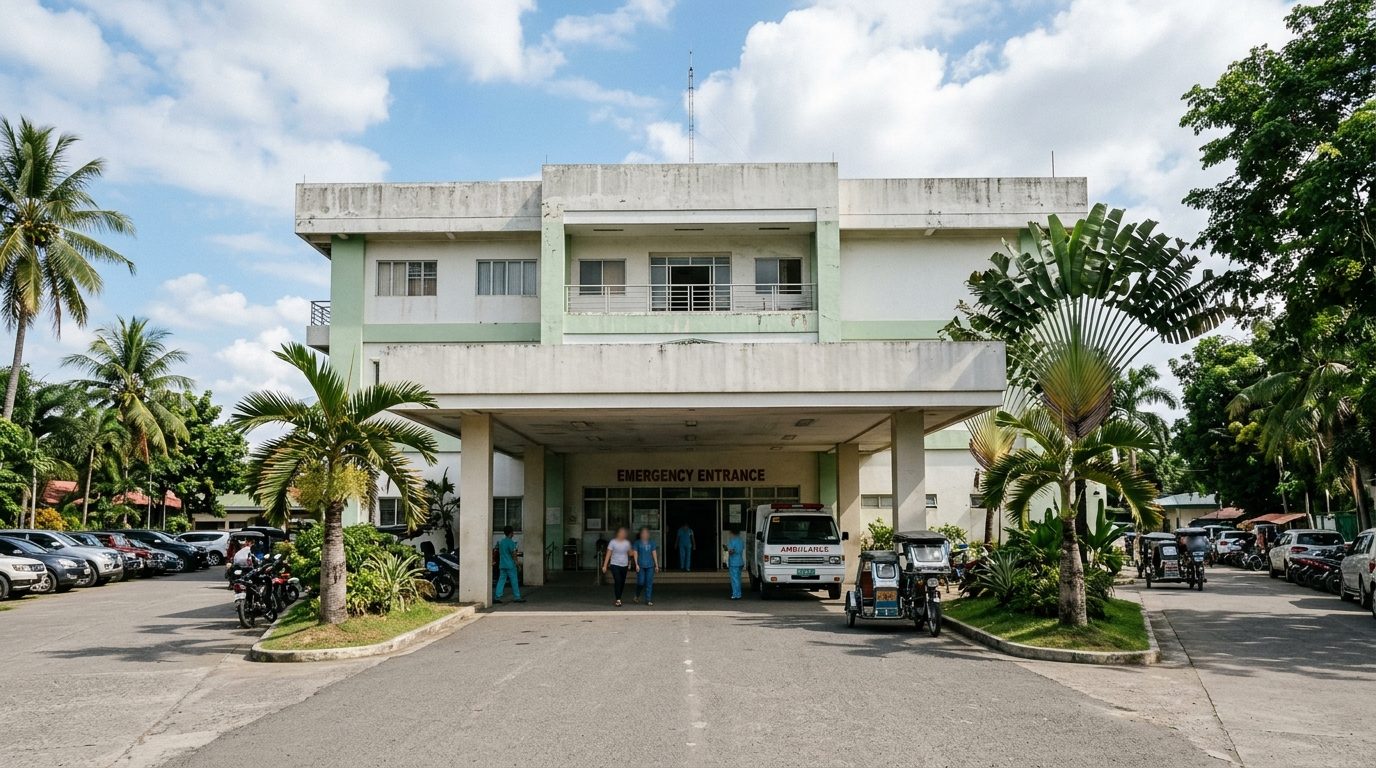
Quick Answer: A ward bed in a DOH hospital can now cost a PhilHealth member nothing; a private room in a private hospital can cost hundreds of thousands. Here is how the two systems differ, what the hospital levels mean, what PhilHealth pays in each, and how to decide where to go.
The Philippines has about 1,200 licensed hospitals, roughly a third of them government-owned, and the practical difference for a patient in 2026 comes down to money. In a ward bed at a Department of Health hospital, a PhilHealth member now pays nothing; in a private room at a private hospital, PhilHealth pays a fixed case rate and the patient pays the rest, which can run to hundreds of thousands of pesos. This guide explains how public and private hospitals differ, what the Level 1, 2 and 3 licences mean, what PhilHealth pays in each, and how to decide where to go. Browse government hospitals and all hospitals on Healthcare Philippines.
What kinds of hospital are there?
| Type | Run by | Examples | What to expect |
|---|---|---|---|
| DOH-retained hospitals and specialty centres | Department of Health (national) | Regional medical centres, Philippine General Hospital, Philippine Heart Center, Lung Center, National Kidney and Transplant Institute, Philippine Children's Medical Center | Largest and best-equipped public hospitals; teaching hospitals; zero balance billing in wards; long queues for outpatient and elective care |
| Provincial, district and city hospitals | Local governments | Provincial hospitals, district hospitals, city medical centres | Level 1 or 2 mostly; free or low-cost ward care for residents; refer up to DOH hospitals |
| Private hospitals | Corporations, religious orders, foundations | St Luke's, The Medical City, Makati Medical Center, Chong Hua, Davao Doctors, and hundreds of Level 1 community hospitals | Shorter waits, private rooms, HMO networks; the patient pays what PhilHealth does not |
Ownership does not decide quality. The Department of Health licenses every hospital, public or private, on the same scale.
What do Level 1, 2 and 3 mean?
Under Department of Health Administrative Order 2012-0012, a Level 1 hospital must have a licensed physician in charge, an operating room, a maternity ward, a clinical laboratory, licensed imaging and a licensed pharmacy. A Level 2 hospital adds departmentalised specialist services with board-certified department heads, an intensive care unit, respiratory therapy and a tertiary-level laboratory and imaging. A Level 3 hospital adds accredited residency training in medicine, paediatrics, obstetrics and gynaecology and surgery, a physical medicine and rehabilitation unit, an ambulatory surgery clinic, dialysis, a blood bank and Level 3 imaging with interventional radiology (DOH and DBM manual). In the last full published breakdown, 2016, the country had 1,224 licensed hospitals, 434 government and 790 private; 51 government and 64 private hospitals were Level 3 (Southern Philippines Medical Center Journal). The level tells you what the hospital can do on site; a Level 1 hospital will stabilise a heart attack and transfer it.
What does PhilHealth pay?
Case rates, in any hospital
PhilHealth pays a fixed amount per admission set by the diagnosis or procedure, split about 70% to the hospital and 30% to professional fees. Published 2026 examples: pneumonia ₱15,000 to ₱32,000 by severity, dengue ₱10,000 to ₱16,000, normal delivery ₱5,000 plus ₱5,000 newborn care, caesarean section ₱19,000, appendectomy ₱24,000. The hospital deducts the case rate from the bill; the patient pays the balance. In a private hospital that balance is usually most of the bill.
Zero balance billing, in government wards
Since 2025 the policy that once applied only to indigent and sponsored members covers all PhilHealth members admitted to basic or ward accommodation in DOH hospitals. The Philstar explainer of August 2025 puts it at 87 DOH hospitals including the four government specialty centres; ward accommodation means a bed in a shared room with fan ventilation and shared bathroom; and everything during the stay, procedures, operations and medicines, is free provided the patient stays in the ward. GMA's explainer adds that patients need only present a PhilHealth ID, that non-members can be enrolled at the hospital, and that a first private hospital, St Luke's Global City, signed on in August 2026. Emergency room procedures before admission and outpatient care are outside it; outpatient care is YAKAP's job.
Z benefits for catastrophic illness
For cancers, transplants, open-heart surgery and other high-cost conditions, PhilHealth's Z benefit packages pay ₱100,000 to ₱1.2 million at contracted hospitals, with zero balance at contracted government hospitals when the patient meets the clinical criteria.
The premium
Five percent of monthly income in 2026, on a ₱10,000 floor and ₱100,000 ceiling (₱500 to ₱5,000 a month), unchanged from 2025.
How do you choose?
| Situation | Where to go | Why |
|---|---|---|
| Emergency | Nearest hospital with an emergency room | Distance beats everything; transfer later if needed |
| Serious illness, no HMO | DOH regional hospital or specialty centre, ward | Zero balance billing; the specialty centres are the country's best for their conditions |
| Serious illness, with HMO | Private hospital in the HMO network, or DOH hospital private room | Check the HMO's annual limit against the estimate before admission |
| Planned surgery or delivery | Whichever the referring doctor operates in; ask for the PhilHealth case rate and the estimate | Case rates are the same everywhere; the balance is not |
| Routine outpatient care | Health center or YAKAP clinic first; private clinic for convenience | Free consultations, labs and medicines under YAKAP |
Before any planned admission ask three questions: the PhilHealth case rate for the procedure, the hospital's estimate for ward and for private accommodation, and whether your doctor's professional fee is inside or on top of the estimate. Hospital social workers and the Malasakit Center in DOH hospitals can arrange medical assistance for balances.
How do you find one?
Search government hospitals, general hospitals, secondary hospitals and tertiary hospitals by city on Healthcare Philippines, or start with the full hospital list. For the referral that gets you a ward bed, see how health centers and rural health units work, and for free outpatient care, our PhilHealth YAKAP guide.
Frequently asked questions
- Is treatment at a government hospital free?
- In a ward or basic accommodation at a Department of Health hospital, yes for PhilHealth members since 2025: zero balance billing covers room and board, doctors' fees, laboratory, operating room and medicines available in the hospital pharmacy, with no out-of-pocket balance. It does not cover private rooms, medicines the hospital does not stock, or outpatient care, and it applies at DOH-retained and government specialty hospitals rather than every local government hospital.
- What is the difference between Level 1, 2 and 3 hospitals?
- Department of Health licensing categories. A Level 1 hospital has a licensed physician in charge, an operating room, maternity ward, clinical laboratory, imaging and pharmacy. Level 2 adds departmentalised specialist services, an intensive care unit, respiratory therapy and tertiary laboratory. Level 3 adds residency training in medicine, paediatrics, obstetrics and surgery, a blood bank, dialysis, ambulatory surgery and Level 3 imaging. Both public and private hospitals are licensed on the same scale.
- How much does PhilHealth pay in a private hospital?
- The same case rate as in a public hospital, deducted from the bill: for example ₱19,000 for a caesarean section or ₱24,000 for an appendectomy in 2026, split roughly 70% to the hospital and 30% to professional fees. The patient pays the balance, which in a private hospital is usually most of the bill, unless an HMO or the hospital's own charity programme covers it.
- How much is the PhilHealth premium in 2026?
- Five percent of monthly income, with a ₱10,000 floor and ₱100,000 ceiling, so ₱500 to ₱5,000 a month, split equally between employee and employer for the employed. The rate is unchanged from 2025.
- How do I get admitted to a government hospital?
- Through the emergency room, or by referral from a health center, rural health unit or district hospital for scheduled admissions. Bring your PhilHealth number and an ID; hospitals can enrol you on the spot if you are not a member. Ask at admission for ward or basic accommodation if you want zero balance billing.
- Which is better, public or private?
- For most conditions the medicine is the same and the doctors often are too, since consultants practise in both. Public hospitals win on cost and on capacity for complex, expensive care at the specialty centres; private hospitals win on waiting times, rooms and convenience. The honest answer for a family without an HMO is a DOH hospital ward for anything serious and a private clinic for routine outpatient care.