Pharmaceutical Companies in the Philippines: How the Supply Chain Works and the Largest Players
Quick Answer: A medicine reaches a Filipino patient through four regulated steps: manufacturer, importer or distributor, wholesaler and drugstore. Each needs its own FDA licence to operate, and each product needs a certificate of product registration. Unilab leads local manufacturing, Zuellig Pharma runs the distribution backbone across Asia, and the Generics Act shapes how every product is labelled, prescribed and sold.
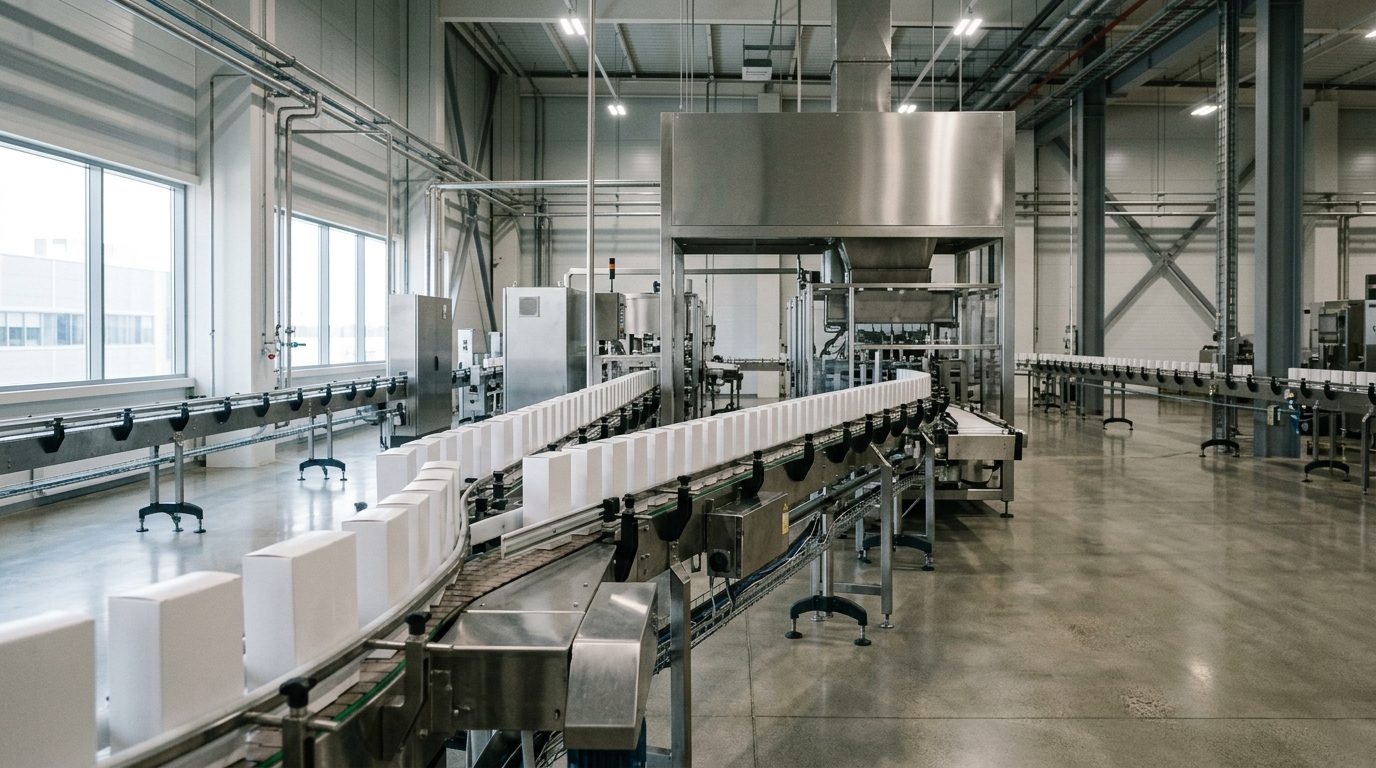
A medicine reaches a Filipino patient through four regulated steps: a manufacturer makes it, an importer or distributor brings it into the country and moves it, a wholesaler supplies the trade, and a drugstore dispenses it. Every one of those steps needs a licence to operate from the Food and Drug Administration. Under Republic Act 9711, which rewrote the FDA’s charter in 2009, manufacturing, importing, exporting, selling, distributing, transferring or retailing any drug without an FDA licence to operate is a prohibited act, and a manufacturer, importer or distributor that breaks the rule faces five to ten years’ imprisonment and a fine of ₱500,000 to ₱5 million. This guide explains the chain, the largest players, what the Generics Act changed, and what a clinic or drugstore should check before buying stock. Browse pharmaceutical companies, manufacturers, distributors and drugstores on Healthcare Philippines.
How does a medicine get from factory to patient?
| Step | What it does | What the FDA licenses |
|---|---|---|
| Manufacturer | Makes the finished product, or toll manufactures for another company | Licence to operate as a drug manufacturer, plus a certificate of product registration for each product |
| Importer, exporter or trader | Brings registered products in or out, or owns a product made by someone else | Licence to operate covering that activity |
| Distributor or wholesaler | Holds stock, runs the cold chain, supplies hospitals, clinics and retail | Licence to operate as a distributor or wholesaler |
| Drugstore or pharmacy | Dispenses to the public under a registered pharmacist | Licence to operate as a retail outlet for drug products |
RA 9711 gives the FDA the power to inspect and spot-check manufacturers, importers, exporters, distributors, wholesalers, drug outlets and other establishments, to order recalls and bans, and to issue cease and desist orders. It also requires every one of those establishments to report incidents where a product has caused death, serious illness or serious injury. The directory shows how the tiers look in practice, from a manufacturer such as Hizon Laboratories through distributors like Euro-Med Laboratories to the pharmacies that dispense.
Who are the largest players?
- Unilab. United Laboratories has grown into the country’s leading pharmaceutical and health care company. It began in 1945 as a small drugstore on Sto. Cristo Street in Binondo, founded by Jose Campos and Mariano Tan, and is now a conglomerate spanning branded and generic pharmaceuticals, personal care, health services and animal health. Over the past decade it has added manufacturing and distribution capacity, including the Amherst and Belmont plants and its own First Pioneer Distribution arm, with storage built for vaccines, oncology and central nervous system treatments (Philstar, 2 June 2025).
- Zuellig Pharma. The distribution backbone rather than a manufacturer. It describes itself as Asia’s leading integrated healthcare solutions company, operating across 18 markets with 71 warehouses, more than 2,500 sales representatives and over 200,000 customers, serving more than 90,000 pharmacies and 30,000 clinics and hospitals, with ambient, air-conditioned, 2 to 8 degree and frozen storage (Zuellig Pharma, checked September 2026).
- The multinationals. The research-based sector is represented by the Pharmaceutical and Healthcare Association of the Philippines, a member of the International Federation of Pharmaceutical Manufacturers and Associations and of the ASEAN Confederation of Pharmaceutical Industry Associations. Its member companies market originator medicines locally, usually manufacturing abroad and relying on a Philippine distributor.
- Local manufacturing. Alongside Unilab sit long-established Filipino manufacturers of generics, intravenous fluids and hospital solutions, several of which appear in the directory under manufacturers and distributors.
What did the Generics Act change?
The Generics Act of 1988 (RA 6675) still shapes how medicines are labelled, prescribed and sold. Four of its rules do most of the work. Doctors, dentists and veterinarians, including private practitioners, must write prescriptions using the generic name, and may add the brand name if they wish. Any company that manufactures, imports, repacks, markets or distributes a medicine must show the generic name prominently, and on a branded product the generic name must appear immediately above the brand name on the label and in all advertising. Drug outlets, including drugstores, hospital pharmacies and non-traditional outlets such as supermarkets, must tell any buyer about every other product with the same generic name and its price, and must post that list of same-generic products and prices in a conspicuous place. Every drug manufacturing company operating in the Philippines is required to produce and make available the medicines it makes in generic form.
The effect is a market where the same molecule is sold at several price points at the same counter, which is why asking for the generic is the single easiest way to cut a bill. The guide to generic medicines and how to pay less covers the practical side, and pharmacy chains compared looks at where the branded and generic ranges differ. Senior citizens and persons with disability get 20 per cent off plus VAT exemption on medicines, explained in discounts on medicines and hospital bills.
What should a clinic or drugstore check before buying from a supplier?
- The licence to operate, and its scope. A valid LTO is not enough on its own; it has to cover the activity the supplier is actually performing. A trader is not a distributor, and neither is a manufacturer. Check the company name on the licence against the name on the invoice.
- The certificate of product registration. Each product needs its own registration. An unregistered product that requires registration is itself a prohibited act under RA 9711.
- Verification. Use the FDA verification portal to confirm both the establishment and the product, and keep a dated screenshot with the purchase record. The guide to checking whether a drugstore or distributor is FDA licensed walks through it, and how to find a pharmacy and check its licence covers the retail end.
- Cold chain and expiry. Selling, distributing or transferring a health product beyond its expiry date is a prohibited act. Ask for temperature records on vaccines, insulin and biologicals, and refuse short-dated stock unless the price reflects it.
- Paper trail. Keep official receipts and delivery documents naming the licensed source. If a product is recalled, that trail is what lets you show where the stock came from and where it went. Medical and surgical suppliers and medical service providers in the directory are a starting point for checks.
Frequently asked questions
- What licence does a pharmaceutical company need in the Philippines?
- A licence to operate from the Food and Drug Administration, covering the specific activity it performs: manufacturing, importing, exporting, trading, distributing, wholesaling or retailing. Each product also needs its own certificate of product registration. Republic Act 9711 makes it a prohibited act to manufacture, import, export, sell, distribute, transfer or retail any drug without that licence, and a manufacturer, importer or distributor that does so faces five to ten years' imprisonment and a fine of ₱500,000 to ₱5 million.
- What is the largest pharmaceutical company in the Philippines?
- Unilab, or United Laboratories, is described as the country's leading pharmaceutical and health care company. It was founded in 1945 as a small drugstore on Sto. Cristo Street in Binondo by Jose Campos and Mariano Tan, and is now a conglomerate covering branded and generic pharmaceuticals, personal care, health services and animal health. Its facilities include the Amherst and Belmont plants, and it runs its own distribution arm with storage built for vaccines, oncology and central nervous system treatments.
- What does Zuellig Pharma do?
- It distributes rather than manufactures. Zuellig Pharma describes itself as Asia's leading integrated healthcare solutions company, operating in 18 markets with 71 warehouses and more than 2,500 sales representatives, reaching over 200,000 customers including more than 90,000 pharmacies and 30,000 clinics and hospitals. It handles ambient, air-conditioned, 2 to 8 degree and frozen storage, which is what vaccines, insulin and biological products require.
- Does the Generics Act require doctors to prescribe generics?
- It requires them to write the generic name. Under the Generics Act of 1988, all medical, dental and veterinary practitioners, including private practitioners, must write prescriptions using the generic name, and may add the brand name if they wish. Drug outlets must also inform any buyer of every other product carrying the same generic name together with its price, and must post that list of products and prices in a conspicuous place in the shop.
- How can I check if a drug distributor is FDA licensed?
- Use the FDA verification portal to search for the establishment by name and confirm that the licence to operate is current and covers the activity in question, then search the product to confirm its certificate of product registration. Match the licensed company name against the name on the invoice and keep a dated record with your purchase documents. A trader, a distributor and a manufacturer hold different licences and are not interchangeable.
- Can a drugstore buy medicines from any supplier?
- No. Every step in the chain has to hold the appropriate FDA licence to operate, so a drugstore should buy only from a licensed manufacturer, importer, trader, distributor or wholesaler whose licence covers that activity. Buying from an unlicensed source, or stocking unregistered products, exposes the shop to the penalties in Republic Act 9711. Selling or distributing any health product beyond its expiry date is also a prohibited act.
- Are medicines manufactured in the Philippines?
- Many are. Unilab runs several plants of its own, and other Filipino manufacturers produce generics, intravenous fluids and hospital solutions locally, while most originator medicines from multinational companies are made abroad and brought in by a licensed importer or distributor. The Generics Act also requires every drug manufacturing company operating in the Philippines to produce and make available the medicines it makes in generic form.