City Health Offices in the Philippines: What They Do, Services, Hours, and the Offices People Search For
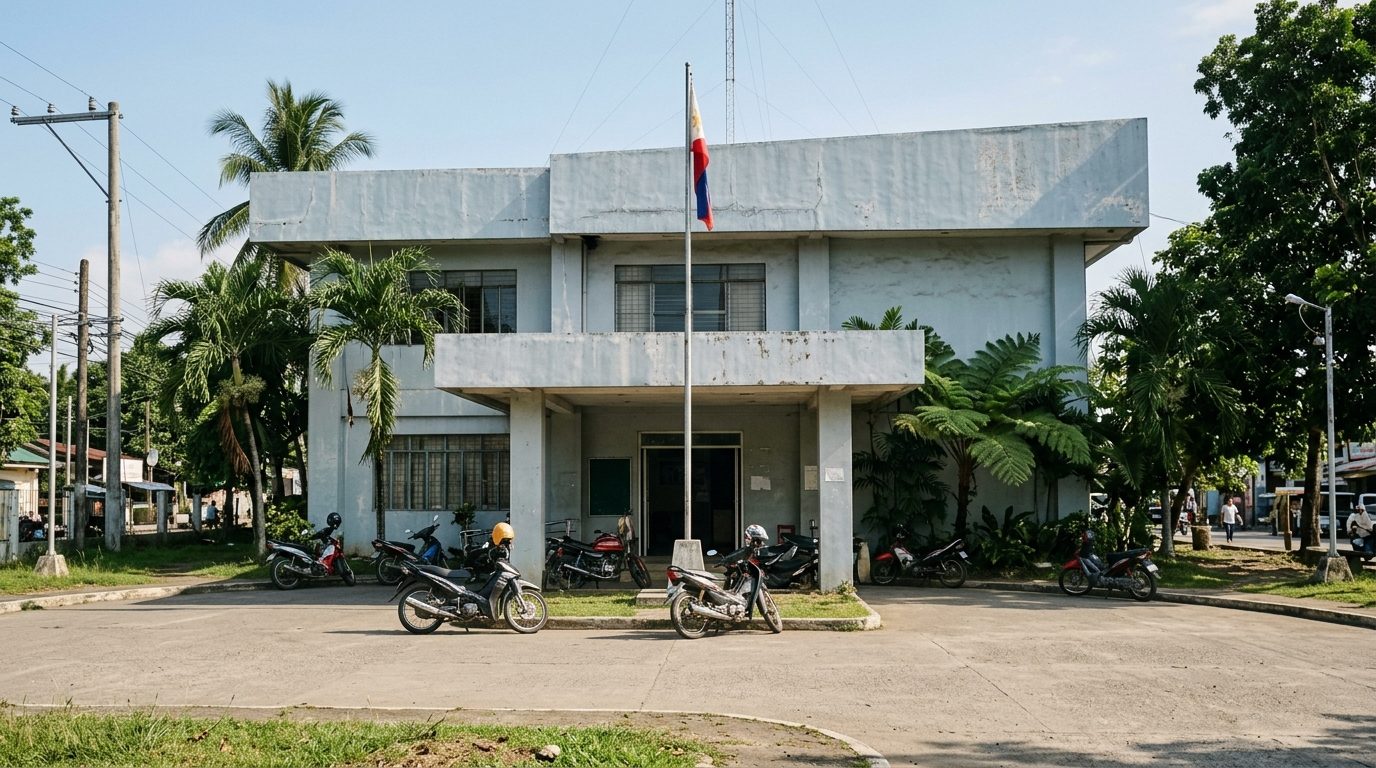
Quick Answer: A City Health Office is the city government's health department under the Local Government Code, headed by a licensed physician. It runs the city's health centers, gives free consultations, immunisation, prenatal care, TB treatment, family planning and anti-rabies vaccine, and issues the health certificates food handlers need and the sanitary permits businesses need. This guide lists the services, typical hours and fees, and links the offices people search for most.
A City Health Office (CHO) is the health department of a city government, and most of what it does is free: consultations, vaccines, prenatal care, TB treatment, family planning and anti-rabies shots. Section 17 of the Local Government Code makes cities responsible for primary health care, maternal and child care and disease control, and Section 478 requires every city to appoint a city health officer who is a licensed physician with at least five years in practice. The CHO also issues the health certificates workers need and the sanitary permits businesses need. This guide covers the services, typical hours and fees, how the big cities organise their districts, and links the offices people search for most, all listed under health offices on Healthcare Philippines.
How is a CHO different from an RHU or a health center?
The three names describe the same system at different sizes. A rural health unit is a municipality's health office, headed by the municipal health officer. A City Health Office is the city's equivalent, larger and usually with several district or barangay health centers under it; in Quezon City, Manila, Cebu and Davao the office is organised into districts, each with its own district health office and a cluster of health centers, and a resident goes to the center nearest home for care and to the head office for permits, certificates and records. Barangay health stations, staffed by a midwife and volunteer health workers, are the outlets below the health center. Our explainer on the three levels goes into who is who, and our guide to what a rural health unit offers lists the programmes, which are the same in a city.
What services does a City Health Office provide?
| Service | Who can get it | Typical fee |
|---|---|---|
| Consultation with a doctor, nurse or midwife; referral to hospital | Anyone, residents first | Free |
| Childhood immunisation under the Expanded Program on Immunization | Children; vaccines supplied by the DOH | Free |
| Prenatal check-ups, delivery at city lying-in clinics, postnatal care | Pregnant women | Free; PhilHealth maternity package for delivery |
| Family planning counselling and supplies | Adults | Free |
| TB testing and six months of treatment (DOTS) | Anyone with symptoms or a referral | Free |
| HIV testing and counselling; social hygiene clinic for sex workers and STI care | Anyone; testing is voluntary and confidential under RA 11166 | Free |
| Anti-rabies vaccine at the Animal Bite Treatment Center | Anyone bitten or scratched | Post-exposure treatment "at the minimum expense" under RA 9482; the first doses are usually free, later doses may be charged |
| Dental check-ups and extractions; nutrition and deworming | Residents; children for school programmes | Free |
| Basic laboratory tests | Patients of the health center; free under PhilHealth YAKAP if registered | Free or a small fee |
| Medical certificate for work, school or travel | Anyone after examination | Small fee set by ordinance |
| Health certificate (health card) for food handlers and other workers | Employees of food establishments, under the Sanitation Code | None in San Juan City; ₱50 validation fee in Pasig if examined elsewhere; varies by city |
| Sanitary permit and inspection of food businesses | Business owners, yearly with the mayor's permit | Fee set by the city revenue code |
The Sanitation Code, Presidential Decree 856, says no one may be employed in a food establishment without a health certificate from the local health authority, issued after the required physical and medical examinations and immunisations. The San Juan City citizen's charter issues it after examination with no fee; Pasig's charter requires a stool test and charges ₱50 a person to validate results from an outside clinic. For animal bites, Republic Act 9482 obliges the DOH to keep anti-rabies vaccine stocked at animal bite treatment centers and to provide post-exposure treatment at minimum expense. HIV testing is voluntary and confidential under Republic Act 11166, and cities with a social hygiene clinic run it there; see our guide to social hygiene clinics.
When are they open, and how do you book?
Typically 8 a.m. to 5 p.m. on weekdays, with programme days: immunisation on one fixed day, prenatal clinic on another, dental and TB on others, and lying-in clinics around the clock. Larger cities now take appointments online; Makati, Quezon City and Manila have their own systems, described in our guide to booking a health center appointment. Everywhere else it is first come, first served, so arrive early on programme days. Bring a valid ID, your PhilHealth number, a child's immunisation card and, in cities that ask for proof of residence, a barangay certificate.
Which City Health Offices do people search for?
The offices below are the ones most often looked up. Each listing shows the address and phone number; confirm hours and programme days by phone before you go, because they change.
- Taguig City Health Office, Metro Manila
- Pasay City Health Office, Metro Manila
- Quezon City Health Department, organised by district
- Makati City Health Office
- Caloocan City Health Department
- Navotas City Health Office
- Marikina City Health Office and Valenzuela City Health Office
- Imus City Health Office I, II and III, Cavite
- Cebu City Health Department, Mandaue City Health Office and Lapu-Lapu City Health Office, Cebu
- Bacolod City Health Office and Iloilo City Health Office, Western Visayas
- Tuguegarao City Health Office, Cagayan
- Cagayan de Oro City Health Office, Northern Mindanao
More than a hundred other city health offices are listed under health offices, and municipal offices under rural health units. If you are not sure which health center serves your barangay, call the City Health Office and ask; it will also tell you which centers are PhilHealth YAKAP clinics, which is where free laboratory tests and medicines come from.
Frequently asked questions
- What is a City Health Office?
- The health department of a city government. Section 478 of the Local Government Code makes the appointment of a city health officer mandatory and requires a licensed physician with at least five years' practice. The office runs the city's health centers and lying-in clinics, implements the national programmes for immunisation, maternal care, TB, HIV and nutrition, inspects food establishments and issues health certificates and sanitary permits. Municipalities have the same functions in a rural health unit.
- What services does a city health office offer?
- Free doctor, nurse and midwife consultations; childhood vaccines; prenatal check-ups and delivery at lying-in clinics; family planning; TB testing and free treatment under DOTS; HIV testing and counselling; anti-rabies vaccine at animal bite treatment centers; dental care; nutrition programmes; basic laboratory tests; medical certificates; health certificates for workers; sanitary permits and inspection of food businesses. Most city health centers are also PhilHealth YAKAP clinics, which adds free laboratory tests and medicines.
- How much is a health certificate at the city health office?
- It varies by city and is set by local ordinance. San Juan City issues health certificates with no fee; Pasig charges a ₱50 validation fee only when the medical examination was done outside its one-stop shop clinic. Other cities charge a small fee for the card. The certificate is required by the Sanitation Code for anyone working in a food establishment and is issued after a medical examination, usually with a stool test and chest X-ray or sputum test.
- What are city health office hours?
- Usually 8 a.m. to 5 p.m., Monday to Friday, with specific programme days for immunisation, prenatal, dental and TB clinics; lying-in and birthing facilities run 24 hours. Hours differ by city and by health center, so call the number on the office's listing before going.
- Is the Taguig City Health Office the same as a barangay health center?
- No. The City Health Office is the head office that runs Taguig's health centers; each barangay or district health center is one of its outlets where you actually get consultations and vaccines. Go to the health center nearest you for care, and to the City Health Office for health certificates, sanitary permits, records and programmes run centrally.
- Do I need to be a resident to use a city health office?
- Services are meant for the city's residents, and some cities ask for a barangay certificate or city ID, but nobody is refused in an emergency and most centers treat walk-ins. For PhilHealth YAKAP benefits you must be registered with that specific health center as your primary care clinic.